The short answer
AI search visibility for an SME comes down to five things: a clearly defined identity, a site machines can read, content worth quoting, third parties that confirm you exist, and a monthly habit of checking the answers. None of them needs an enterprise budget. All of them need doing deliberately.
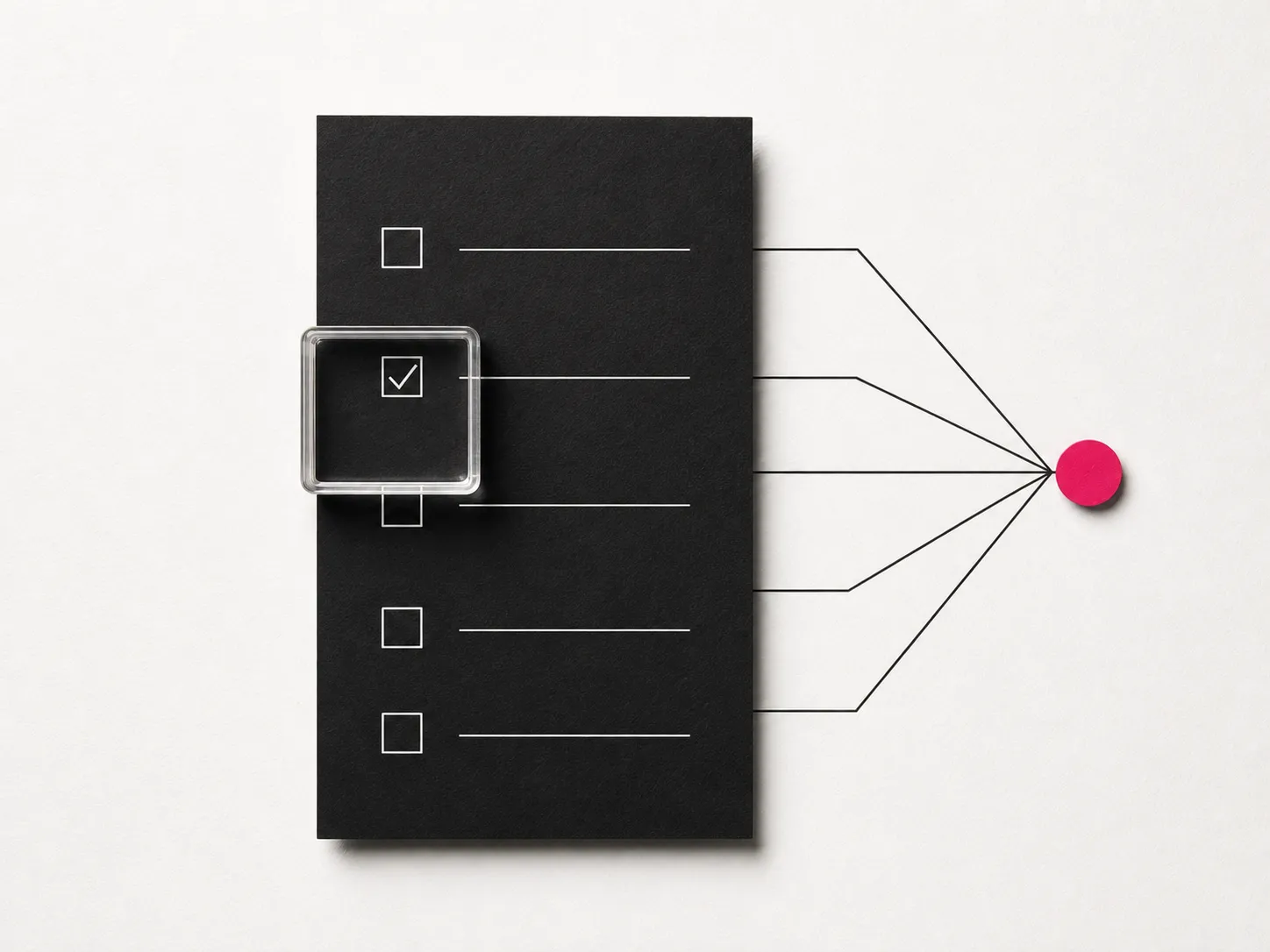
Work through the checklist in order. The early items are the cheapest and carry the most weight.
1. Get the identity basics right
AI systems are cautious about naming brands they can’t pin down. Make yourself easy to pin down.
- One sentence that defines the business. “[Name] is a [category] in [place] helping [customer] do [outcome].” It should appear on your homepage and About page, close to the top, in plain text.
- The same name everywhere. Website, LinkedIn, Google Business Profile, directories and (where practical) your Companies House registration should agree on what you’re called. Trading name quirks and old brand variants blur the entity.
- An About page that answers who, what, where. Not a mission statement. Who runs the business, what it sells, where it operates, since when.
- Organization schema on the homepage. Name, description, logo, contact email and links to your official profiles, marked up once and kept accurate.
2. Make the site readable
If a crawler can’t read the page, nothing else on this list matters.
- Key text lives in the HTML. If the important copy only appears after JavaScript runs, some AI crawlers never see it. View source and check your main pages say what you think they say.
- Headings match questions. Customers ask “how much does X cost” and “how does X work”. Pages with headings shaped like the questions get retrieved for them.
- Crawlers are allowed in. Check robots.txt isn’t blocking GPTBot, ClaudeBot, PerplexityBot or Google-Extended unless that’s a deliberate choice.
- A sitemap exists and is submitted. To Google Search Console and Bing Webmaster Tools. Bing matters more than most SMEs think: it feeds Microsoft Copilot and several other answer engines.
3. Publish something worth quoting
Answer engines assemble answers from passages. Give them passages.
- Lead with the answer. Every service page and article should contain at least one sentence that works when lifted out of the page. Definitions, numbers, plain claims.
- One idea per paragraph. Dense, multi-clause paragraphs are hard to quote. Short ones travel.
- Answer the questions you actually get asked. A page that directly answers “what does [service] cost in the UK” will be retrieved for that question far more readily than a brochure page.
- Show your evidence. Specifics, examples and named sources give a system reasons to treat the page as reliable rather than promotional.
4. Build corroboration
A claim on your own website is a claim. The same claim on LinkedIn, in a directory and in a review is a fact a cautious system will repeat.
- Complete your Google Business Profile and LinkedIn company page, using the same one-line definition as your homepage.
- Get listed in two or three directories that matter in your sector, with consistent name, description and web address.
- Collect reviews where customers already look. Google reviews and sector-specific platforms both count as corroboration.
- Take the easy mentions. Suppliers, partners, trade bodies and local press all link to member and partner businesses. Ask.
5. Check the answers monthly
You can’t manage what you never look at. Once a month, ask ChatGPT, Perplexity and Google the ten most commercially important questions in your category, and record who gets named and what gets said about you. Twenty minutes, one spreadsheet, and you’ll know more about your AI visibility than most of your competitors know about theirs.
Doing this in an afternoon
If you only have one afternoon: write the one-sentence definition and put it on the homepage and About page, fix your LinkedIn and Google Business Profile to match it, check robots.txt and view-source on your top three pages, and run the ten-question answer check to get a baseline. That’s the 20% that moves the 80%.
The full version of this work, run properly and measured, is what our AI Search Visibility service does. If you want to know where you stand before committing to anything, request a free AI visibility audit and we’ll run the baseline for you.